


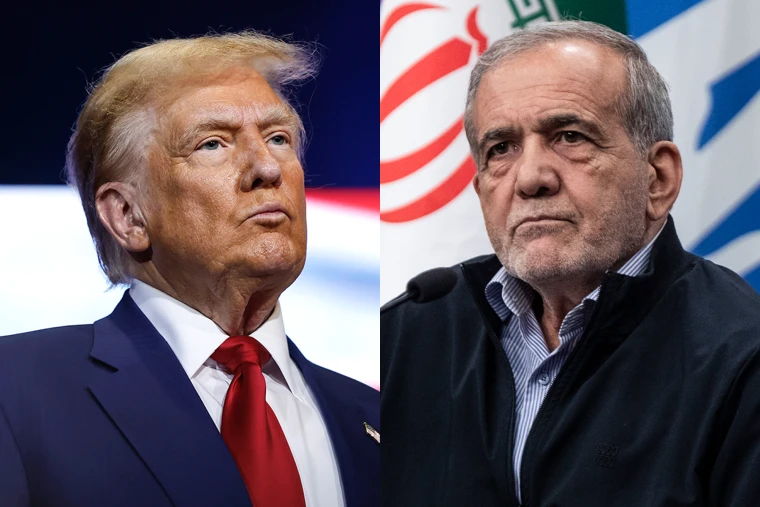
trump iran news isn’t just another headline caught in the churn of geopolitical violence — it is the smell of tension on the wind, the rattling of arms in distant deserts, the distant tremor beneath the everyday lives of millions. On a frigid January morning in 2026, screens flickered with warnings of possible U.S. intervention in Iran amid the most widespread and ferocious protests the country has seen in years — a moment that brought the globe upended into the very question of whether the world is inching toward a conflict that might once have seemed unthinkable.
These aren’t abstract policy shifts; they are lived realities where neighborhoods echo with chants for change and the threat of international war looms over family dinners. The trump iran news narrative is a collision of domestic upheaval, geopolitical strategy, historical grievance, and media spectacle — all feeding into a story that is anything but linear.
The Legacy of Pressure: America and Iran’s Broken Dialogue
The relationship between Washington and Tehran has been wounded for decades. The watershed moment came in 2018 when the United States, under then‑President Donald Trump, withdrew from the Joint Comprehensive Plan of Action (JCPOA) — the landmark nuclear deal intended to limit Tehran’s nuclear capabilities and integrate the country into global economic systems.
With that withdrawal, a policy of “maximum pressure” returned: sanctions were tightened, economic levers were yanked, and strategic patience was sacrificed on the altar of hardline deterrence. Tehran’s oil exports suffered, the currency collapsed, and ordinary Iranians found themselves in the crosshairs of global power calculations.
To many in Iran, these moves weren’t abstract negotiations but brutal economic blows. Though President Trump at times signaled openness to direct talks, Iranian officials repeatedly expressed that they would not negotiate under fear or coercion.
Unrest and Rhetoric: When Economics Ignite the Streets
The protests that exploded across Iran in late December 2025 had deep economic roots: inflation spiraled above 40%, basic goods became scarce, and the national currency — the rial — plummeted in value. These were not isolated demonstrations but a social rupture, echoing years of accumulated discontent.
Across cities from Tehran to Mashhad, citizens from all walks of life poured into the streets. Theirs was not merely economic frustration but a cry against stalemated politics, limited freedoms, and a future that seemed ever more unreachable — conditions exacerbated, in part, by geopolitical isolation and sanctions regimes that sank deep into everyday life.
In response, the Iranian regime cut off internet and communications, declaring the unrest a foreign‑instigated threat to national security. Into that void of information and fear stepped the international spotlight — including threats from across the ocean.
From Tweets to Threats: Trump’s Public Posturing
When the crisis escalated, President Trump took to public platforms to warn Tehran against killing its own people — implying that the United States might respond “very strongly” if that happened. These were not careful diplomatic dispatches but thunderous declarations broadcast to millions, amplifying internal Iranian tensions while sending signals to capitals in Europe, the Middle East, and beyond.
This rhetoric matters. It shapes how people inside Iran interpret their own struggles and how external actors read the signs in Tehran. Even as Trump couched his language in support for protesters’ rights, the implication of military “help” loomed large — conjuring the specter of deeper confrontation.
In global capitals, reactions varied: U.S. allies called for restraint, some African and Asian nations condemned any military escalation, and Iran’s Supreme Leader framed the pro‑U.S. messages as evidence of foreign interference.
Historical Memory: More Than Just Policy
To understand the emotional landscape of trump iran news, one must appreciate the deeper historical currents.
The Islamic Republic was forged in turbulent revolution in 1979, a rupture that reshaped Iranian society and altered geopolitics across the Middle East. In the decades since, Iran has stood at odds with U.S. power partly because of this revolutionary memory — a profound distrust of Western intentions rooted in history and reinforced by sanctions, proxy conflicts, and periodic escalations like the downing of drones and shadow wars involving militias and allied forces.
For many Iranians watching events unfold today, the protests and the threat of outside intervention evoke not just current hardship, but decades‑old fears of foreign interference, regime change campaigns, and unfinished struggles for autonomy and dignity.
Global Ripples: Beyond Tehran and Washington
The repercussions of the U.S.–Iran standoff stretch far beyond their capitals.
In neighboring Pakistan, officials openly condemned U.S. strikes on Iranian targets earlier in 2025, arguing that such actions violated international law and increased regional instability. Meanwhile, global markets watch for disruptions in oil flow through the Strait of Hormuz, where nearly a fifth of the world’s crude passes daily. Even slight miscalculations by major powers can unsettle economies thousands of miles away.
Back in Iran, diasporic communities watch anxiously, creating parallel narratives — some embracing Trump’s tough stance as a chance for change, others wary that the very threats meant to protect protesters could undercut their struggle for self‑determination.
Across the Divide: Voices from Experts
In a quiet study lined with tomes on Middle Eastern history at a university in London, Dr. Laila Ahmad — an expert on U.S.–Iran relations — reflects on the moment:
Q: Why does “trump iran news” resonate so much beyond typical foreign policy coverage?
A: “Because it isn’t just about policy anymore. It’s about the symbolic weight of two national narratives — Iran’s struggle for dignity and autonomy, and America’s assertion of dominance. When those narratives collide, ordinary people feel it in their lives.”
Q: Is there room for negotiation between these powers now?
A: “Historically, there always has been room, but political capital matters. When domestic pressures are high, leaders use external adversaries to rally support. That’s dangerous in a volatile moment like this.”
Q: Could sanctions be reshaped to reduce human suffering without weakening strategic aims?
A: “Yes, targeted sanctions that spare civilian economies can be effective. Blanket sanctions often punish the very people whose goodwill you want.”
Q: What would meaningful diplomacy look like today?
A: “Back‑channel talks, incremental confidence‑building measures, mutual humanitarian gestures — not grand bargains but stepwise progress that builds trust.”
Q: What’s the greatest risk right now?
A: “Misreading intentions. When leaders speak in absolutes, the space for understanding shrinks and the risk of miscalculation rises.”
Frequently Asked Questions
1. What exactly sparked this latest wave of protests in Iran?
Economic crisis driven by inflation, currency collapse, and worsening living conditions triggered nationwide demonstrations.
2. Has the U.S. actually intervened militarily in Iran?
As of early 2026, threats and discussions of possible strikes circulated, but large‑scale direct military intervention had not been confirmed.
3. Could the situation lead to full‑scale war?
Analysts warn that escalation is possible if misunderstandings and pressures intensify and diplomatic channels remain closed.
4. Are Iranians unified in their view of U.S. involvement?
No. Some see external pressure as helpful; others view it as harmful interference that could worsen internal strife.
5. What international mechanisms exist to de‑escalate the crisis?
United Nations mediation, humanitarian aid arrangements, and confidence‑building dialogue platforms could play roles if all parties choose engagement.
Conclusion: Between Fire and Silence
The story of trump iran news is still unfolding, and it speaks to something deeper than policy headlines: the fragile architecture of a world where economic desperation, historical memory, and geopolitical rivalry intersect. It is about the people in the streets of Tehran whose chants carry both fear and hope, and about capitals like Washington where strategic choices ripple outward unpredictably.
Read more: The True Story of Lori Vallow: What Really Happened in the Doomsday Mom Case