


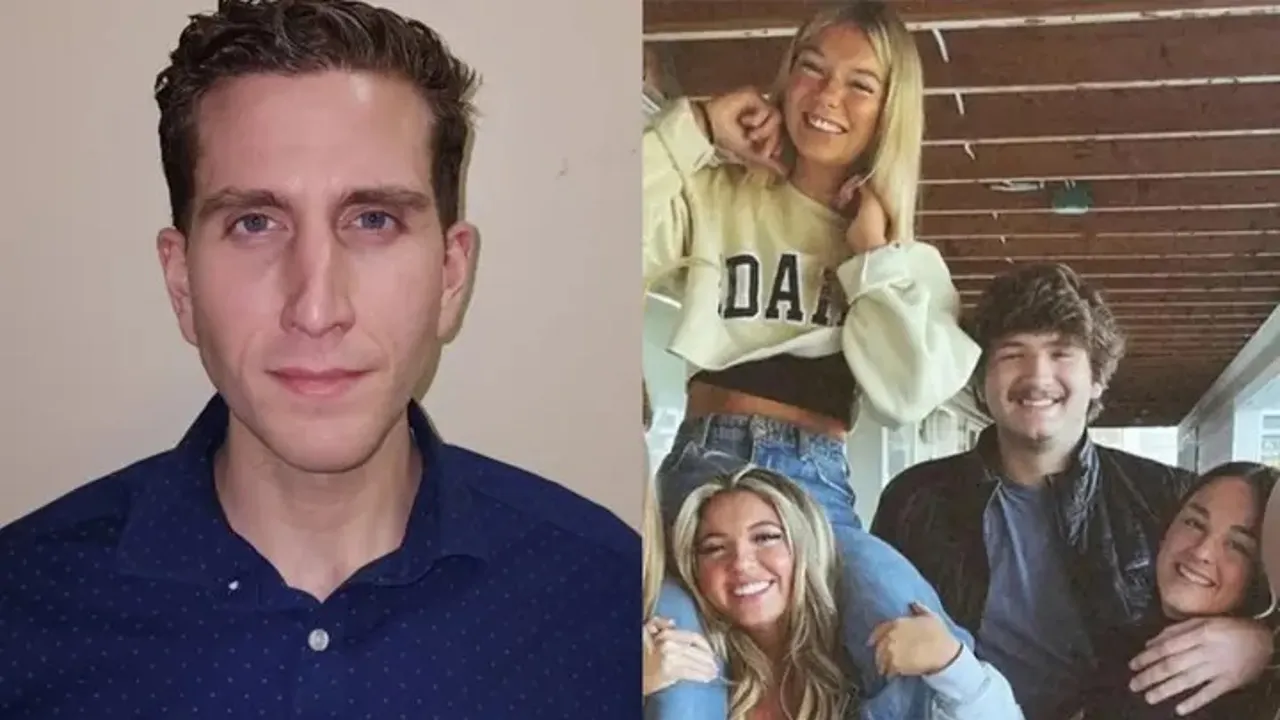
Bryan Kohberger is an American man whose name became widely known after being connected to one of the most disturbing criminal cases in recent U.S. history. Before the case, Bryan Kohberger lived a life that appeared ordinary on the surface. He was quiet, academically focused, and deeply interested in understanding how crime works. Friends and classmates often described him as reserved, serious, and sometimes socially distant. Nothing about his early public image suggested he would later become the center of national attention.
What made Bryan Kohberger stand out was his strong interest in criminal behavior. He studied psychology and criminology for years, slowly building a path toward an academic career. This detail shocked many people later, because criminology is the study of crime, criminals, and why people break the law. For many readers, this contrast created confusion and fear. How could someone studying crime become linked to such a violent case? That question is one of the reasons the Bryan Kohberger story continues to draw so much interest.
Quick Facts About Bryan Kohberger
| Detail | Information |
|---|---|
| Full Name | Bryan Christopher Kohberger |
| Year of Birth | 1994 |
| Field of Study | Psychology and Criminology |
| Known For | Idaho student murder case |
| Public Attention | Global media coverage |
Bryan Kohberger grew up in Pennsylvania and spent much of his early adult life focused on school. He earned degrees step by step, moving from psychology into criminal justice. Over time, he became more interested in how criminals think and how crimes are investigated. This led him to enroll in advanced studies related to criminology. People who knew him during this period often said he was intense about his studies and took his academic goals seriously.
At the time before the crimes, Bryan Kohberger was living near a college campus and working toward a doctoral degree. He was also involved in academic discussions about crime analysis and law enforcement behavior. This background later became one of the most discussed parts of the case. Many people struggled to understand how someone trained to analyze crime could be accused of committing one. This uncomfortable contrast turned Bryan Kohberger into more than just a suspect. It turned him into a symbol of a deeper fear about what we think we know about people.
Bryan Kohberger and the University of Idaho Murders
The name Bryan Kohberger became known worldwide after four University of Idaho students were found brutally murdered in their off-campus home. The crime shocked the local community and quickly spread across national and international news. The victims were young college students whose lives were cut short in a place where they should have felt safe. The violence of the attack and the lack of immediate answers created fear, grief, and intense public pressure on investigators.
What made the case even more unsettling was how quiet the town was and how little evidence seemed visible at first. There were no obvious signs of forced entry, and some roommates survived the night unharmed. As days passed, people across the country followed every update closely. The case was not just about what happened, but about how something so severe could occur without warning, and who could be responsible.
How Bryan Kohberger Became a Suspect
Investigators spent weeks collecting evidence, reviewing surveillance footage, and analyzing digital data. Over time, Bryan Kohberger emerged as a suspect through a combination of forensic science and modern investigative tools. Authorities focused on patterns, movement data, and physical evidence recovered from the scene. Each piece alone may have seemed small, but together they formed a clearer picture.
One of the most discussed elements was DNA evidence, which connected Bryan Kohberger to the crime scene. Phone records and vehicle movements were also analyzed to understand where he was before and after the murders. This slow but methodical process showed how modern investigations rely on technology as much as eyewitnesses. For many observers, the case became an example of how detailed and patient police work can eventually lead to a suspect.
Bryan Kohberger Arrest, Charges, and Legal Process
Bryan Kohberger was arrested weeks after the murders, far from the crime scene. The arrest itself brought a mix of relief and new questions. Many people wanted to understand what charges meant and how the legal system would handle such a serious case. He faced multiple counts of first-degree murder, which is one of the most severe criminal charges in the U.S. legal system.
The legal process moved carefully, with hearings, evidence reviews, and strong public interest. Prosecutors outlined their case step by step, while defense attorneys questioned the strength of the evidence. This phase reminded the public that being charged is not the same as being proven guilty, and that courts must follow strict rules before reaching a final outcome.
Key Legal Details in the Bryan Kohberger Case
| Aspect | Explanation |
|---|---|
| Arrest Location | Outside the state where crimes occurred |
| Main Charges | Four counts of first-degree murder |
| Legal Focus | Evidence, intent, and procedure |
| Public Interest | Extremely high nationwide |
Bryan Kohberger Trial, Plea Deal, and Sentencing
As the case moved forward, attention turned to whether Bryan Kohberger would face a full trial. Trials can take years and place emotional strain on victims’ families. Eventually, a plea deal changed the direction of the case. By pleading guilty, Bryan Kohberger avoided a lengthy trial and the possibility of the death penalty, while ensuring a guaranteed life sentence.
The sentencing marked the end of the courtroom phase but not the emotional impact. Families of the victims spoke publicly, sharing grief that words could barely capture. The judge issued multiple life sentences, ensuring Bryan Kohberger would never be released. For many, this outcome brought a sense of closure, even though it could never undo the harm caused.
Public Reaction and Psychological Questions Around Bryan Kohberger
The Bryan Kohberger case sparked intense public discussion, especially because of his background in criminology. Many people questioned how someone who studied crime could allegedly commit such acts. Psychologists and legal experts debated whether education in crime offers insight or creates dangerous curiosity. These conversations went far beyond this single case.
Media coverage also played a powerful role. Social media, news cycles, and online forums amplified every detail. Some coverage focused on facts, while other parts turned speculative. This raised ethical questions about how much attention suspects should receive and how victims should be remembered. The case became a lesson in how modern crime stories can shape fear, curiosity, and public opinion.
Where Is Bryan Kohberger Now and What Happens Next
Bryan Kohberger is currently serving multiple life sentences in prison with no possibility of parole. His daily life is now defined by strict routines, limited contact with the outside world, and permanent confinement. For the justice system, the case is largely closed, though appeals and legal filings may still occur in the future.
The broader impact of the case continues. Universities revisited safety policies, and communities reflected on how well they know those around them. The Bryan Kohberger case remains a reference point in discussions about criminal psychology, investigative methods, and the limits of understanding human behavior.
Frequently Asked Questions About Bryan Kohberger
Who is Bryan Kohberger?
He is a former criminology student convicted in the Idaho student murder case.
Why was the case so famous?
Because of its brutality, victims, and Kohberger’s academic background.
Did Bryan Kohberger go to trial?
No, he accepted a plea deal instead of a full trial.
What sentence did he receive?
Multiple life sentences without parole.
Why does the case still matter?
It raised questions about crime, psychology, and public safety.
Read more: Bill Belichick Girlfriend; Love, Power, and Privacy in the Shadow of Football’s Greatest Mind