


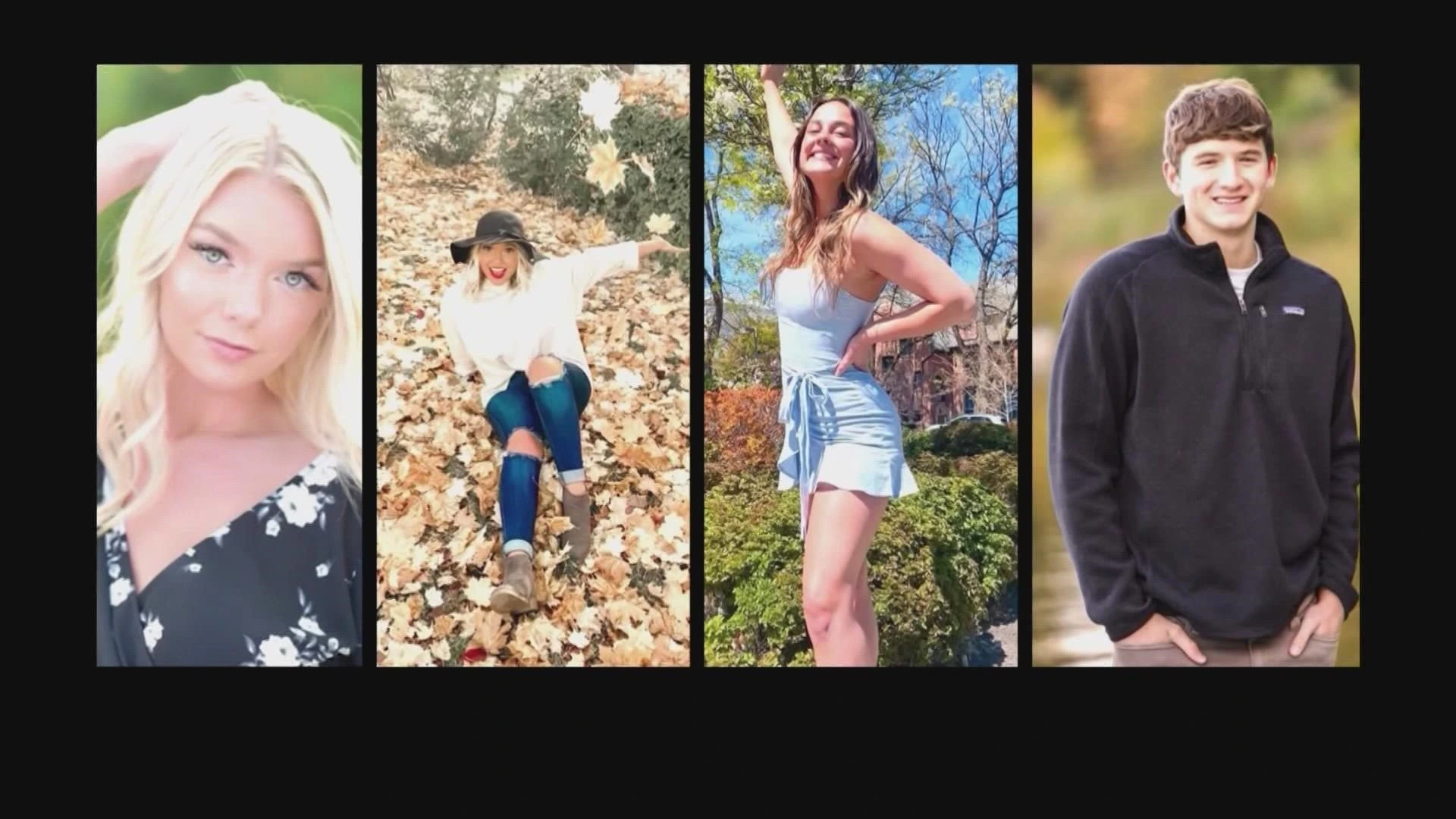
The aftermath of the Dateline Idaho murders left the community in mourning. Vigils were held, and students were offered counseling to cope with the trauma. This tragic case also attracted national media attention, highlighting how the crime was investigated, how the suspect was identified, and how forensic science played a key role in solving it.
Quick Info Table: Victims of the Dateline Idaho Murders
| Name | Age | University Connection |
|---|---|---|
| Kaylee Goncalves | 21 | University of Idaho |
| Madison Mogen | 21 | University of Idaho |
| Xana Kernodle | 20 | University of Idaho |
| Ethan Chapin | 20 | University of Idaho |
Who Is Bryan Kohberger — The Suspect?
Bryan Kohberger was a 28-year-old criminology student at Washington State University, located near Moscow, Idaho. His background seemed ordinary at first, but investigators discovered he had a troubling digital footprint, including online searches about serial killers and violent crimes. Kohberger’s connection to the University of Idaho murders shocked the nation, given his academic focus on crime and criminal behavior.
Kohberger was arrested in late December 2022 after investigators linked him to the scene using digital evidence and DNA analysis. In July 2025, he pleaded guilty to all four counts of first-degree murder, receiving four consecutive life sentences without parole. This resolution brought a sense of justice to the families, though the community is still processing the tragic events.
Evidence Behind the Idaho Student Murders
The case against Bryan Kohberger relied heavily on forensic and digital evidence, painting a clear picture of his involvement. Investigators collected a knife sheath with DNA that matched Kohberger, along with cellphone location data placing him near the victims’ home multiple times. Surveillance footage also captured a white Hyundai Elantra, similar to the suspect’s car, near the scene around the time of the murders.
Other pieces of evidence included online searches and internet activity. Kohberger reportedly looked up violent crime-related topics and serial killer behavior, which helped establish motive and intent. The combination of DNA, digital footprints, and traditional investigative work created a strong case that ultimately led to his guilty plea.
Quick Info Table: Key Evidence in Dateline Idaho Murders
| Evidence Type | Details |
|---|---|
| DNA | Knife sheath found at crime scene matched Kohberger |
| Cellphone Data | Location near rental home during murders |
| Surveillance Video | White Hyundai Elantra near crime scene |
| Online Activity | Searches about violent crimes and serial killers |
Dateline NBC’s Coverage and New Insights
dateline idaho murders aired a special episode exploring the Idaho student murders, bringing new details and insights to the public. The program included interviews with law enforcement, experts, and people who knew the victims and the suspect. It also analyzed digital evidence, such as search histories and cellphone data, to recreate the timeline of events leading to the murders.
The episode highlighted both confirmed facts and public speculation. It explored how Kohberger’s actions before the murders, including his digital activity and interactions with the community, helped investigators build a strong case. Dateline’s coverage also raised questions about media responsibility in true crime reporting and how it affects public perception.
Timeline of Events From Crime to Sentence
The timeline of the Dateline Idaho murders illustrates how quickly the investigation progressed and the significant events leading to Kohberger’s sentencing.
- November 13, 2022: Four students murdered in Moscow, Idaho.
- December 30, 2022: Bryan Kohberger arrested as the prime suspect.
- 2023–2025: Ongoing investigation and pre-trial developments, including digital evidence analysis.
- May 2025: Dateline NBC airs special coverage with new insights.
- July 2025: Kohberger pleads guilty and is sentenced to four life terms without parole.
This timeline shows the meticulous work of law enforcement and the role media coverage played in keeping the public informed.
Impact and Controversies Surrounding the Case
The Dateline Idaho murders left a lasting impact on both the University of Idaho and the wider community. Students experienced fear and grief, and campus safety became a heightened concern. Local authorities and universities reviewed security measures to prevent similar tragedies.
Controversy arose around how Dateline presented the case. Some law enforcement officials argued that certain details were inaccurate or speculative, causing public confusion. The case also sparked discussions about true crime reporting, digital privacy, and the responsibilities of media outlets in sensitive criminal investigations.
(FAQs)
1. What weapon was used in the Idaho murders?
The victims were stabbed, and the primary weapon evidence was a knife sheath with DNA linking it to Bryan Kohberger.
2. Did Kohberger know the victims personally?
There is no evidence that Kohberger had a close relationship with the victims. Investigators believe he targeted the home intentionally.
3. Was the Dateline NBC episode accurate?
Most facts presented were confirmed by investigators, but some law enforcement sources noted speculation in the episode.
4. How was Kohberger caught?
Investigators used DNA evidence, cellphone location tracking, and online activity to identify and arrest Kohberger.
5. What was the final sentence for Bryan Kohberger?
He pleaded guilty in 2025 and received four consecutive life sentences without the possibility of parole.
Read more : Laura Loomer Before Plastic Surgery: Natural Look & Stunning Transformation